
Mapping Coastal Conflicts and High-Risk Zones to Inform Offshore Wind Energy Expansion in India
A project mapping coastal conflicts and resource dependencies to guide responsible offshore wind development in India.
India’s offshore wind energy development is a key part of the country’s green energy transition initiative and is aimed at diversifying energy sources, supporting economic growth and promoting energy security. Tapping into India’s seas for generating renewable energy is also central to its Blue Economy Policy and presents a significant opportunity to strengthen the country’s climate commitment towards meeting net zero targets. To this end, India plans to install 37 GW of offshore wind capacity by 2030 along its coastline, particularly in Gujarat and Tamil Nadu.
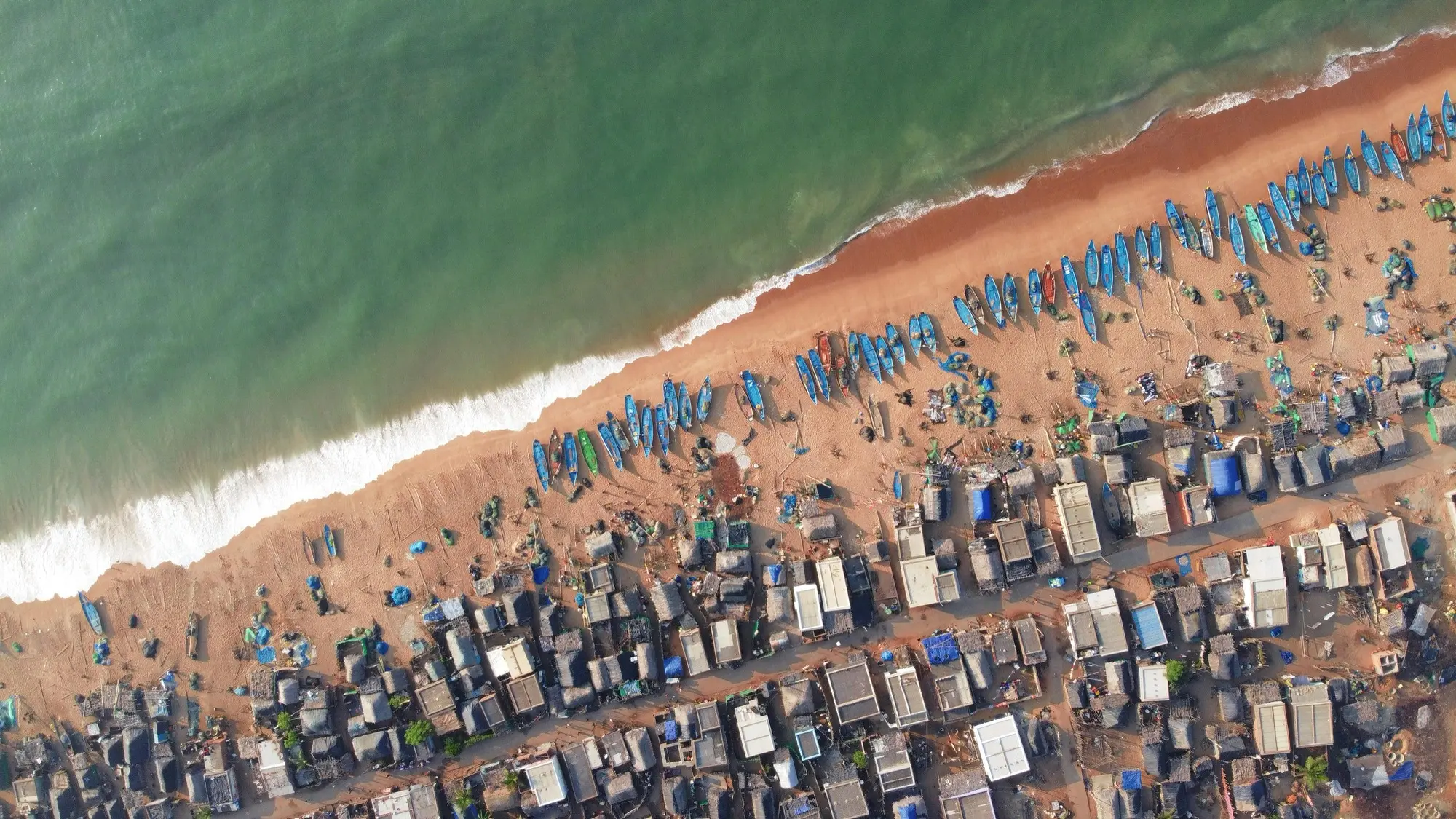
However, India’s coastal areas are heavily utilised spaces that are shared across various sectors - including development and infrastructure, fisheries, aquaculture, conservation and tourism - which have given rise to competing interests and disputes over coastal resource use and access. The Land Conflict Watch database has recorded 46 such coastal conflicts primarily from the industry, infrastructure, land use and power sectors. As offshore wind energy development moves into such contested waters, it risks intensifying existing conflicts, thus making proactive and conflict-sensitive planning essential for the energy sector’s long-term success.
To address this, there is a need for consolidated data on where such conflicts occur, what drives them or how they can be anticipated and addressed. Our project aims to develop a conflict-risk framework that maps existing and potential coastal conflicts, document resource dependencies, identify investment risks and develop conflict mitigation pathways.
Through this project, we are building an interactive and open-access atlas that will bring together historical and ongoing conflict data, ecological sensitivities, and spatial risk zones. In doing so, it will provide relevant stakeholders like policymakers, government, and offshore energy developers with the data for conflict-sensitive and sustainable project planning and implementation.
By identifying high-risk zones and underlying triggers before the resource contests arise, this project can help in preempting avoidable social, ecological, and investment risks and pave the way for a just energy transition.

